


What plumbing item fails the most?
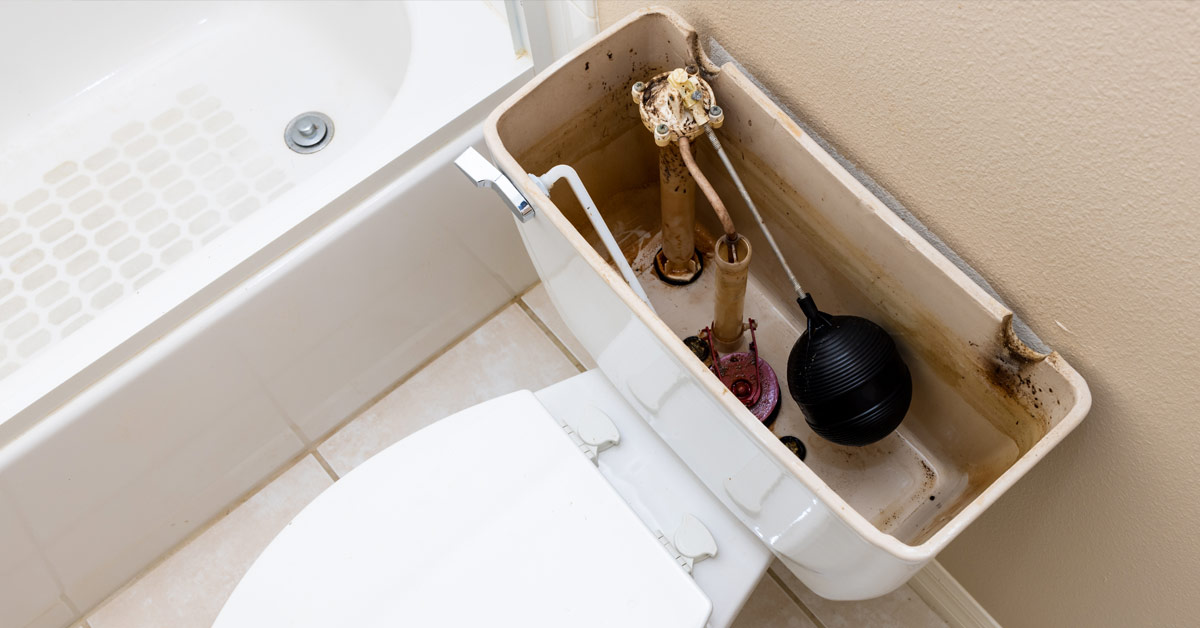
The toilet. It gets the most use and has the most moving parts of all the fixtures.
Many moving parts increase the potential for failure. One of the parts that fails the most is the ballcock. Its job is to fill the tank and control water levels in the toilet tank.
Using a puck in the toilet tank turns the water blue. It is not recommended because it damages toilet parts, such as the rubber flapper.
The flapper is also impacted by calcium deposits from hard water that collect on it, preventing a proper seal. As a result, the tank water will drain into the toilet bowl, which then has to keep refilling to compensate for the loss.
Calcium will also collect around the rim of the bowl.
Drains, taps, and pumps are also common problems prone to failure. Drains clog, taps leak, and pumps wear out.
What is the most common plumbing leak?
The tap. Faucets, the two-handle models drip the most, single handle taps tend to drip less.
The cartridge inside the taps may fail and need to be replaced.
In older models, there is a rubber washer that deteriorates with age. Hard water can also erode the seat on older-style and two-handle faucets, which creates an incomplete seal.
What is the most common problem with plumbing fixtures?
If they are not CSA approved, the quality of the fixture may not meet the plumbing industry standard.
Non-CSA-approved fixtures may be less expensive, and that may be a good indication of quality or industry standard. With non-CSA-approved fixtures, parts may not be available, and pipes may not fit properly due to different measurements.
Even with CSA-approved pipes and fittings, problems can still occur. For example, rattling pipes are a common issue. This is caused by a lack of hangers or loose hangers that create a water hammer (a loud banging noise in the pipes).
Drains that smell are a common complaint. Sometimes this is caused by whatever is in the drain.
If there is a fixture that isn’t used on a regular basis, the trap will dry up and smell.
This occurs because the trap water creates a barrier to keep sewer gas down rather than rising up into the room. To prevent this from happening, pour a little water down unused drains occasionally.
In addition to hard water, your plumbing could be plagued by water pressure that is too low or too high.
Pump problems can vary depending on the job they are required to do, such as bringing water into a residence from a well or drawing water from another source, such as a lake or river.
Some pumps remove wastewater and sewage. A sump pump keeps water out of your basement, but if the float is stuck, it won’t operate. Some pump failures are due to age and wear and tear.
A circulating pump that keeps constant hot water going to every fixture is also subject to wear and tear because it is on 24/7. Using a built-in timer will help.
For all your residential home plumbing needs, call Plumbtech Plumbing at 705-722-7209
Plumbtech has a 24-hour emergency line where a live person will answer the phone. This emergency service is available within Simcoe County.
Regular weekday service extends from Barrie to Simcoe County, Muskoka, Parry Sound, and beyond.
Plumbtech offers a full range of services from repairs to existing plumbing to installing new appliances and/or fixtures to new builds, closing and opening services for seasonal residences, maintenance programs and more. Plumbtech also maintains a fleet of trucks that are fully stocked for most jobs. Call 705-722-7209 for all your residential plumbing needs.